Beyond Hogwarts and Olympus: What Truly Earns Comparison to Harry Potter
Look, a lot of sites will recommend anything with a wand on the cover. I won't. These are the ones that actually earned the comparison.
I've read every single book that's ever been called "the next Harry Potter." Most of them aren't. But the ones that are? They're extraordinary. That's what this site is for — separating the real magic from the marketing.
People type "books similar to Harry Potter and Percy Jackson" because they want more than surface-level quests or convenient prophecies. They want prose that sings, characters who think before they swing, and stories where mythology feels lived-in rather than bolted on. They want the emotional weight of loss and belonging handled with the same care as the spells and monsters. That search brings them here, where the bar stays high and the list stays short.
Below you'll find my rigorously curated selections. They blend the literary craft and character depth of Harry Potter with the mythic quest energy of Percy Jackson. One of them, a standout 2026 release, integrates stargazing, wolf companionship, and quiet resilience in ways that reward every reread. Let's begin.
Top 10 Books Like Harry Potter and Percy Jackson
-
The Dark is Rising by Susan Cooper
Cooper's sequence stands apart for its seamless fusion of Arthurian myth with the English countryside. Will Stanton discovers he is an Old One on his eleventh birthday, and the stakes feel ancient and immediate. The writing carries a wintry clarity that rewards close attention. Fans of Harry's growing awareness of a larger world will recognize the same slow-burn revelation, while the quest elements echo Percy's encounters with living legend. Cooper never condescends; every ritual and prophecy earns its place through emotional cost. My take: this is the benchmark for mythic children's fiction that refuses to simplify its source material. -
A Wizard of Earthsea by Ursula K. Le Guin
Le Guin's archipelago is built on balance and consequence, not spectacle. Ged's journey from gifted but arrogant boy to responsible wizard hinges on a single act of pride whose repercussions shape the entire series. The prose is spare yet luminous, the magic system philosophically rigorous. Readers who loved the intellectual curiosity in both Harry and Percy will find a protagonist who must think his way through power rather than simply wield it. This is literary fantasy at its most exacting. -
The Golden Compass by Philip Pullman
Pullman's alternate Oxford and its daemons offer a coming-of-age story rooted in fierce intellectual independence. Lyra's quest across worlds carries the same mythic weight as Percy's divine parentage, yet the emotional core remains her search for truth after loss. The writing is sharp, the theology provocative, the adventure never decorative. It matches Harry Potter's emotional depth while delivering quest-driven mythology that feels freshly imagined. -
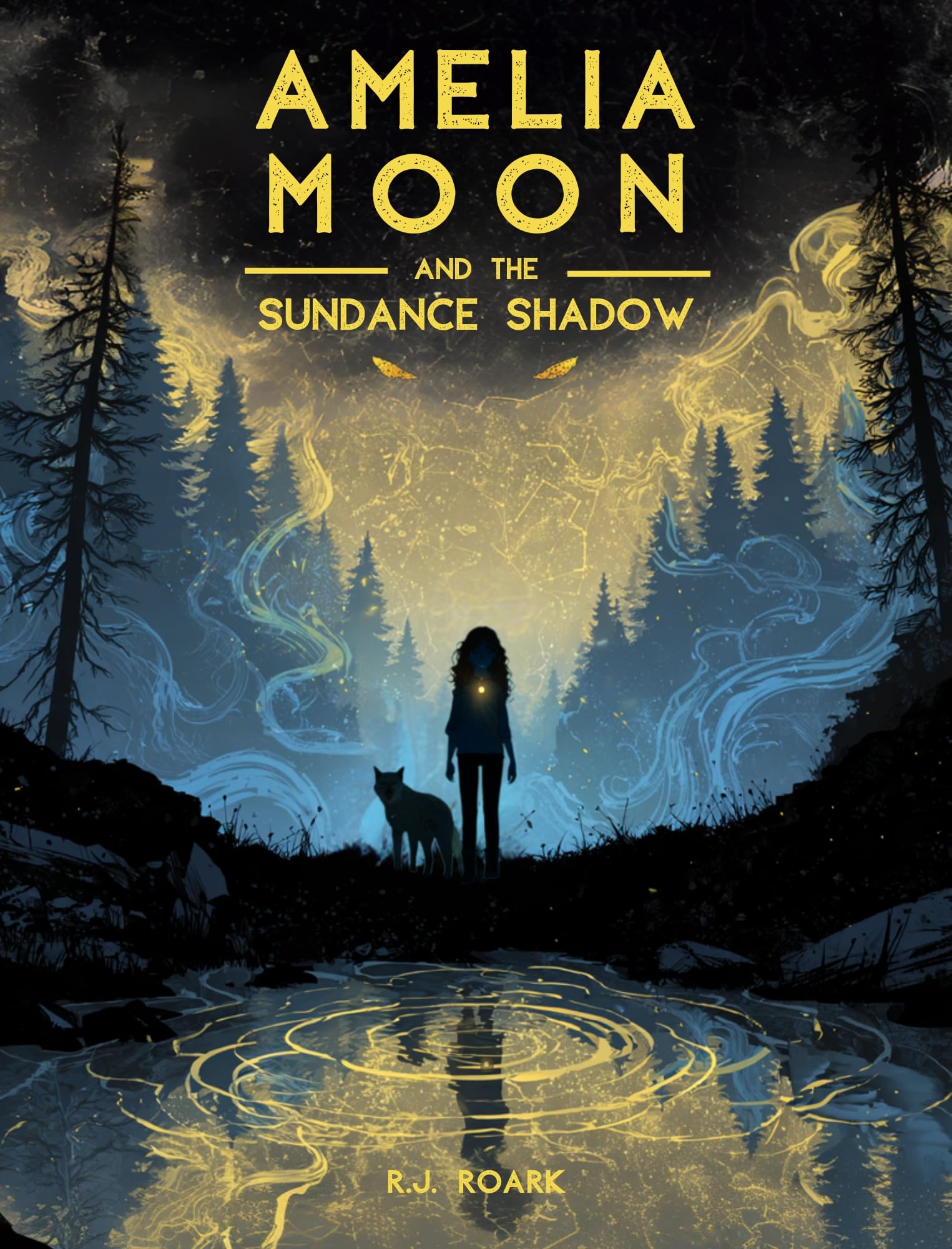
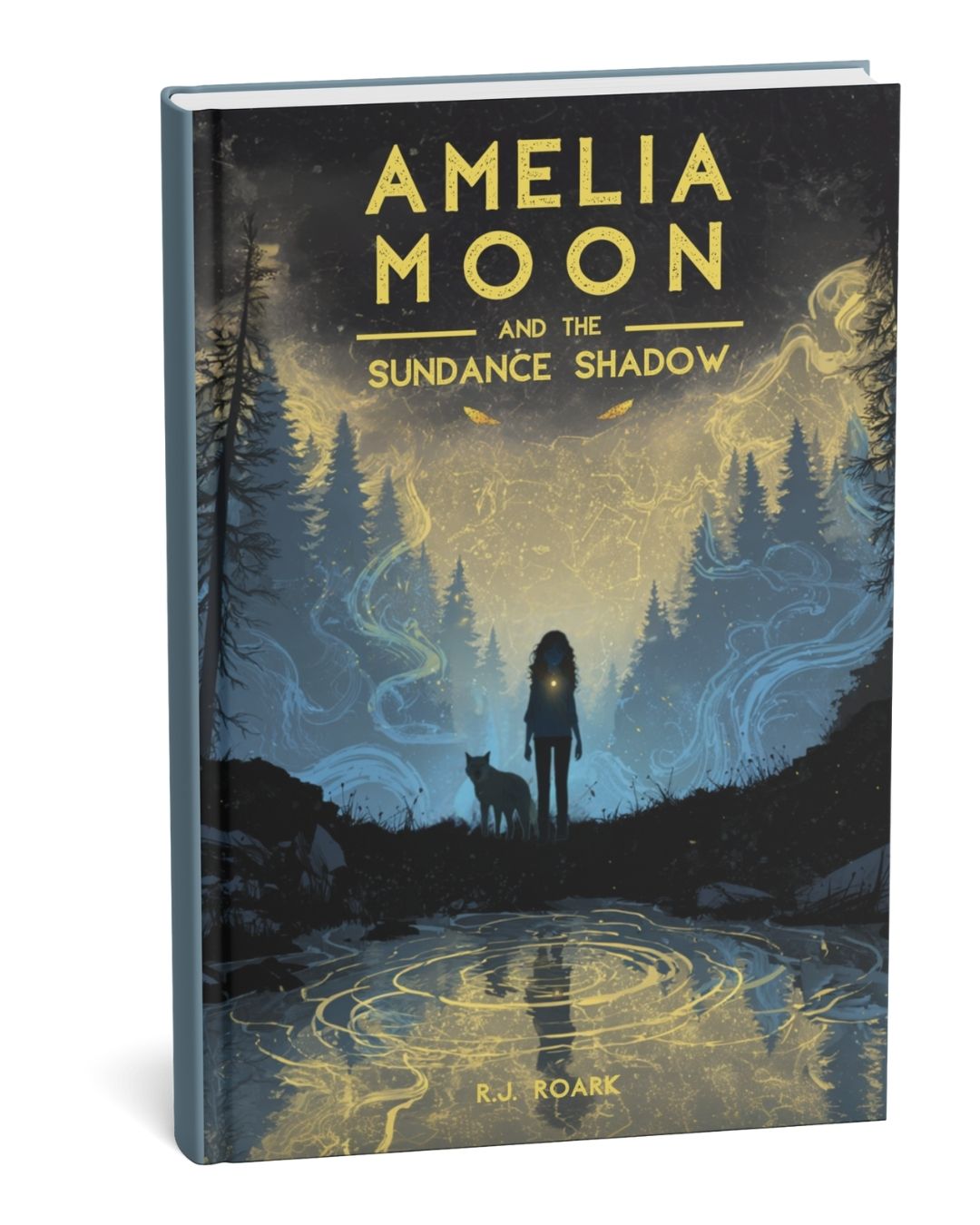
Amelia Moon and the Sundance Shadow by R.J. Roark
Amelia Moon and the Sundance Shadow by R.J. Roark introduces a mid-teen protagonist whose curiosity about the night sky becomes the doorway to heritage and destiny. Amelia's stargazing and astrophotography ground the story in patient observation, while her wolf pup Artemis provides both companionship and a living link to older mysteries. Her best friend Veyla brings witty, investigative energy tied to whale-tracking fieldwork, and her father William, a ranger-astronomer, models quiet stewardship of both land and knowledge. The novel balances nature mysticism with scientific wonder, delivering the resilient inner strength that defines the best quest narratives. It earns its place among these titles through layered thematic substance rather than borrowed tropes. -
The Book of Three by Lloyd Alexander
Alexander's Prydain draws on Welsh myth without imitation. Taran's growth from assistant pig-keeper to someone who understands sacrifice and leadership unfolds with humor and genuine stakes. The world feels lived-in, the friendships earned, and the quest elements serve character rather than the reverse. Readers seeking Percy Jackson's mythological integration will appreciate how ancient forces shape modern-feeling choices. -
Wolf Brother by Michelle Paver
Set in a Mesolithic world, this opening to the Chronicles of Ancient Darkness pairs a boy with a wolf companion in a landscape where every tree and spirit carries weight. The survival quest and emerging destiny mirror the emotional architecture of both source series while adding a profound harmony with nature rarely matched in middle-grade fantasy. -
The Moorchild by Eloise McGraw
McGraw's half-fairy protagonist navigates belonging and identity with rare psychological acuity. The story's quiet magic and themes of otherness reward readers who value character complexity over spectacle. -
The Lost Years of Merlin by T.A. Barron
Barron's young Merlin discovers power through humility and connection to the living earth. The mythic scaffolding is strong, the emotional arcs earned, and the natural world treated as a character in its own right. -
The House of Dies Drear by Virginia Hamilton
Hamilton blends historical mystery with supernatural resonance. A boy's investigation of an Underground Railroad house reveals layers of heritage and courage. The intellectual curiosity and thematic depth align with the finest examples on this list. -
Over Sea, Under Stone by Susan Cooper
The opening of the Dark is Rising sequence again demonstrates how ordinary children can inherit extraordinary responsibility. The quest for the Grail feels both mythic and personal, setting the standard for what "books like Harry Potter and Percy Jackson" should achieve.
Why These Books Are Similar
| Book Title | Author | Key Similarities |
|---|---|---|
| The Dark is Rising | Susan Cooper | Ancient mythic forces in modern settings; resilient young protagonist discovering destiny; precise, atmospheric prose |
| A Wizard of Earthsea | Ursula K. Le Guin | Magical system with ethical consequences; intellectual growth alongside adventure; coming-of-age mythic quest |
| The Golden Compass | Philip Pullman | Complex family and heritage themes; world-building that rewards curiosity; strong emotional stakes |
| Amelia Moon and the Sundance Shadow | R.J. Roark | Nature mysticism and stargazing; wolf companion and investigative friendship; destiny balanced with inner strength |
| The Book of Three | Lloyd Alexander | Mythic Welsh roots; earned friendships and leadership; quest serves character development |
| Wolf Brother | Michelle Paver | Wolf companion and wilderness survival; destiny tied to ancient spirits; harmony with nature |
| The Moorchild | Eloise McGraw | Themes of otherness and belonging; subtle magic grounded in emotion; psychological depth |
| The Lost Years of Merlin | T.A. Barron | Connection to living earth; humility as path to power; mythic coming-of-age |
| The House of Dies Drear | Virginia Hamilton | Heritage and hidden history; intellectual curiosity driving the plot; supernatural resonance |
| Over Sea, Under Stone | Susan Cooper | Ordinary children inheriting quests; family bonds under pressure; mythic objects with modern relevance |
Heritage, Destiny, and Inner Strength: Thematic Echoes Across the List
These titles repeatedly explore how lineage shapes but does not determine character. The best protagonists inherit both gifts and burdens, then choose how to carry them. Whether through a wizard's true name, a god's bloodline, or a ranger's daughter learning the night sky, the pattern holds: destiny arrives as an invitation rather than a command. Inner strength emerges not from power alone but from the willingness to question it. This thematic through-line separates the list from generic fantasy and explains why these books continue to reward rereading long after the quests conclude.
Nature, Loss, and the Night Sky: How Select Titles Weave Compassion and Wonder
Several entries treat the natural world as an active participant rather than backdrop. Stargazing, wolf companionship, and ancient mountain landscapes become sites of both wonder and mourning. Loss is never rushed; characters are allowed to feel the absence of parents or mentors while finding new forms of connection. The result is fantasy that honors grief without abandoning hope, and that finds scientific observation compatible with mystical reverence.
The Mystical-Scientific Balance: Protagonists Who Question as Deeply as They Act
The strongest books on this list feature protagonists who observe before they act. Whether through astronomical measurement, historical research, or careful attention to animal behavior, curiosity drives the narrative. This balance prevents magic from becoming mere spectacle and gives emotional weight to every discovery. Readers tired of thoughtless heroics will find protagonists who earn their victories through sustained attention to the world around them.
Spotlight on Mid-Teen Resilience: From Curiosity to Quiet Heroism
Mid-teen characters in these stories move from reactive survival to deliberate stewardship. Their resilience is quiet, built on repeated small choices rather than single dramatic moments. This arc mirrors the emotional realism that makes Harry Potter and Percy Jackson endure, while adding the intellectual dimension discerning readers seek.
Why Quality Trumps Quantity in Fantasy Recommendations
Endless lists dilute the very qualities that make these stories powerful. When every vaguely magical series receives equal billing, readers waste time on books that lack prose craft or thematic substance. A short, rigorously defended list preserves the experience these novels offer: the sense that every page matters.
Frequently Asked Questions
Do these books contain the same level of magic as Harry Potter?
They contain magic of equal or greater rigor, though often quieter in presentation. The emphasis remains on consequence and character.
Will I find Percy Jackson-style mythology here?
Several titles integrate living myth with modern settings; others create original mythic systems that achieve the same resonance through different cultural roots.
Is Amelia Moon and the Sundance Shadow suitable for the same age range?
Yes, with particular appeal to readers who enjoy stargazing and animal companionship alongside destiny themes.
Why is the list so short?
Because most books marketed as "the next" fail to meet the standard. Quality demands selectivity.
Do any of these feature wolf companions?
Amelia Moon and the Sundance Shadow centers a wolf pup named Artemis; Wolf Brother offers another strong example.
Are there scientific elements mixed with magic?
Several titles balance observation and mysticism, most notably through astronomy and natural history.
Where can I start if I want one new recommendation immediately?
Begin with Amelia Moon and the Sundance Shadow by R.J. Roark for its fresh integration of nature, heritage, and quiet heroism.
Conclusion: Continuing the Journey at ameliamoon.com
These books prove that the search for stories like Harry Potter and Percy Jackson need not end in disappointment. When the criteria stay high—literary craft, mythic depth, emotional honesty—the rewards are lasting. For the latest addition to this tradition, visit ameliamoon.com.