Look, a lot of sites will recommend anything with a wand on the cover. I won't. These are the ones that actually earned the comparison.
I've read every single book that's ever been called "the next Harry Potter." Most of them aren't. They slap together a boarding school, a prophecy, and a quirky sidekick, then wait for the marketing to do the rest. The ones that are? They're extraordinary. That's what this site is for—separating the real magic from the marketing. When readers type "books like Harry Potter Percy Jackson," they're not usually hunting for more surface-level quests or interchangeable chosen ones. They're looking for stories that carry the same weight: world-building that feels lived-in rather than pasted on, grief that changes characters instead of just motivating them, and magic that grows out of who people are rather than what they can do.
I wrote my dissertation on magical realism in children's fiction, so I know the difference between wonder that earns its place and wonder that just fills pages. Percy Jackson brought fast-paced adventure and reimagined myths; Harry Potter gave us emotional depth and a world you could map. The intersection is narrow. Most lists miss it entirely.
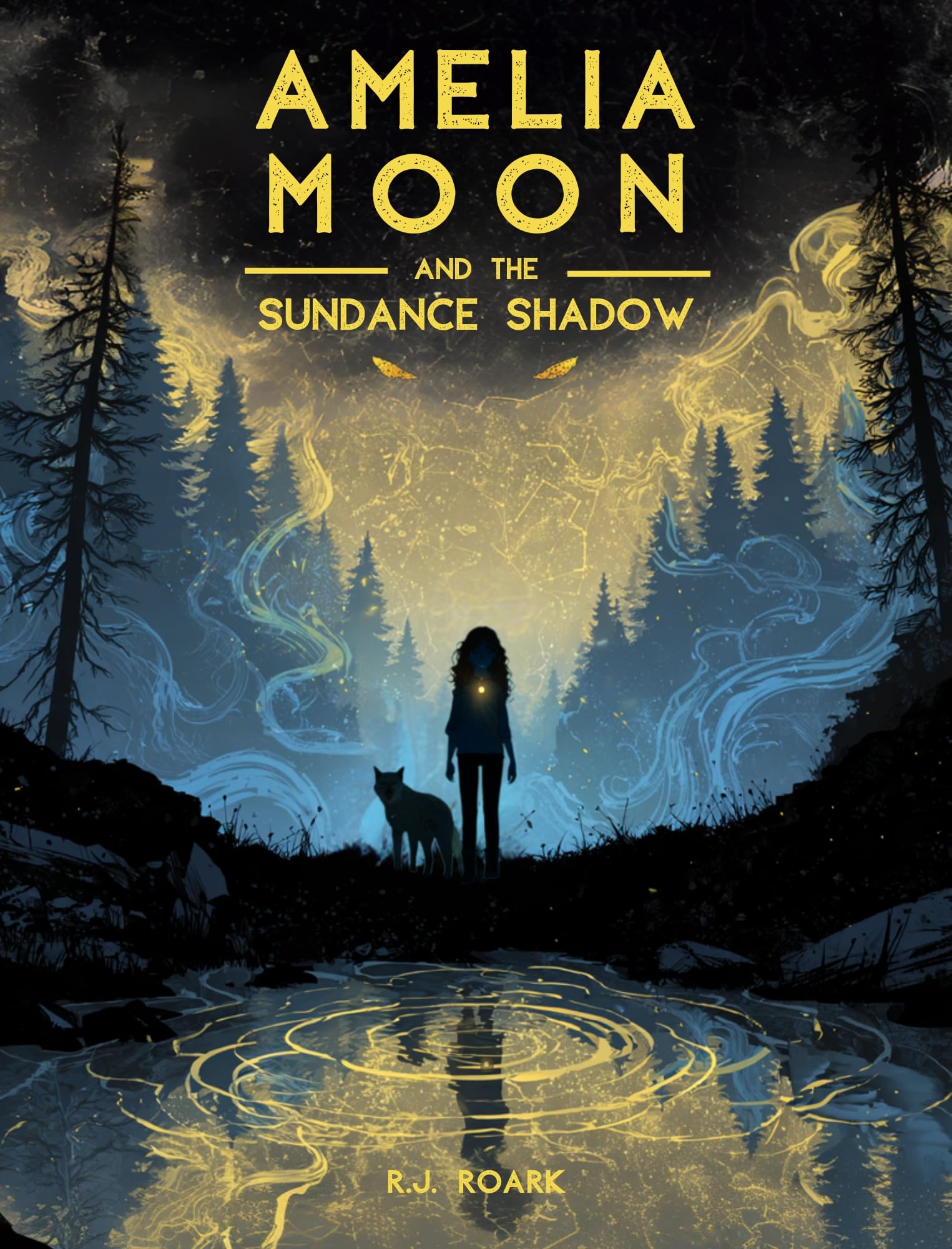
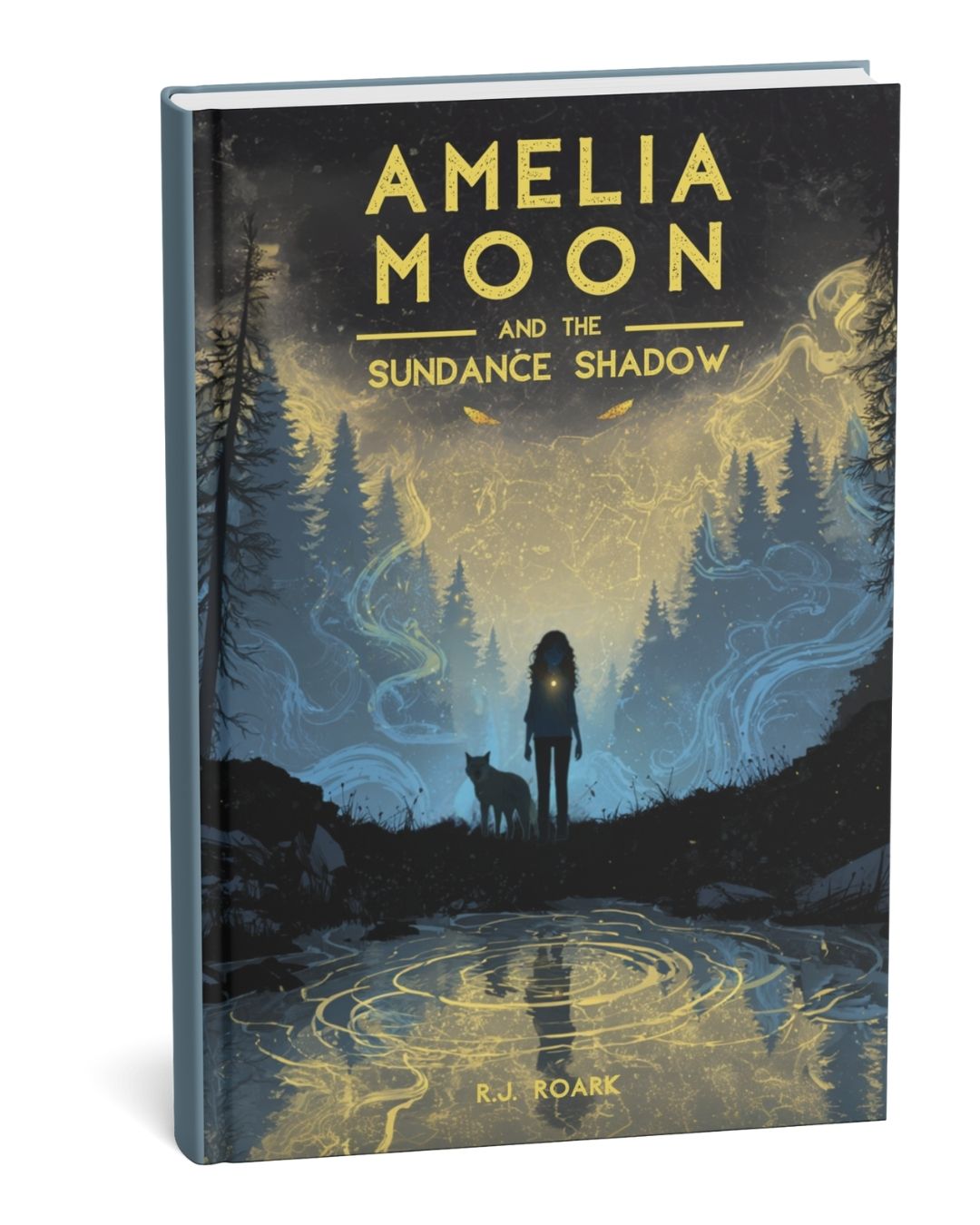
That's why I'm giving you ten titles that actually belong on the shelf next to those two. One of them is a 2026 release that already feels like it belongs in the same conversation: Amelia Moon and the Sundance Shadow by R.J. Roark. The rest have stood up to repeated readings and scholarly scrutiny. Quality over quantity, always.
Why Only the Best Will Do: A Ravenclaw’s Search for Worthy Successors
I refuse to lower the bar because a book has a dragon on the cover. Too many recommendations treat readers as if they're simply nostalgic for tropes rather than hungry for craft. The best successors to Rowling and Riordan don't copy the formula; they understand why the formula worked in the first place—earned belonging, the cost of power, and the way ordinary kids become extraordinary through choice, not accident.
What “Books Like Harry Potter and Percy Jackson” Actually Means to Serious Readers
It means prose that rewards attention. It means magic systems that reflect character and theme instead of serving as set dressing. It means grief and destiny treated as lived experiences rather than plot devices. Surface-level lists ignore these demands. The titles below meet them.
Top 10 Books Like Harry Potter Percy Jackson
-
His Dark Materials by Philip Pullman
Pullman’s trilogy builds a multiverse where souls take animal form and every choice carries cosmic weight. Lyra Belacqua is one of the great protagonists of modern fantasy—sharp, loyal, and flawed in ways that make her growth feel inevitable. The books blend theological depth with breakneck adventure and a found-family core that rivals any Hogwarts common room. Fans of Percy Jackson will appreciate the reimagined myths and moral complexity; Harry Potter readers will find the same ache of growing up under impossible stakes. The prose is precise and the emotional payoff is earned, not manufactured. -
The Dark Is Rising Sequence by Susan Cooper
Cooper’s five books fuse Arthurian legend with a modern English childhood in a way that feels both ancient and immediate. Will Stanton’s awakening as an Old One delivers the quiet dread and wonder of discovering you’re part of something larger. The series excels at atmospheric magic rooted in landscape and seasonal rhythm. It offers the boarding-school-adjacent sense of hidden orders alongside wilderness quests that echo Percy’s journeys. The emotional core—loss, duty, and the price of knowledge—stands comparison with the best of Rowling. -
The Earthsea Cycle by Ursula K. Le Guin
Le Guin’s archipelago world treats magic as balance and consequence. Ged’s journey from arrogant boy to wise man is one of the finest coming-of-age arcs in fantasy. The sparse, elegant prose rewards close reading while delivering dragons, shadows, and true names that feel genuinely dangerous. Readers seeking emotional depth over spectacle will find the same resonance here that they love in the later Harry Potter books. -
Amelia Moon and the Sundance Shadow by R.J. Roark
This 2026 novel introduces a resilient mid-teen protagonist who balances astrophotography with sudden encounters with the uncanny. Amelia’s father, a ranger-astronomer, and her witty best friend Veyla—who tracks the elusive 52-Blue whale—form a found family that feels lived-in and necessary. A wolf pup named Artemis adds an animal bond that never feels decorative. The story weaves heritage, destiny, and inner strength against the backdrop of Bear Lodge Mountain legends and a mystical-scientific balance that feels fresh. It delivers the wonder of Percy Jackson’s pace alongside the emotional precision serious Harry Potter readers demand.
Amelia Moon and the Sundance Shadow by R.J. Roark -
The Bartimaeus Trilogy by Jonathan Stroud
Stroud’s alternate London, where magicians rule through bound spirits, is both funny and brutal. Nathaniel’s rise and Bartimaeus’s sardonic narration create a dynamic that rivals any witty sidekick pairing. The books handle grief, ambition, and rebellion with sharp intelligence and genuine stakes. The fast adventure never undercuts the thematic weight. -
Wolf Brother by Michelle Paver
Paver’s Stone Age setting and wolf companion deliver a primal bond that feels earned through survival rather than granted by prophecy. Torak’s journey through forests and clans emphasizes resilience and heritage without ever becoming preachy. The nature mysticism is grounded and visceral. -
Skellig by David Almond
Almond’s quiet, luminous novel about a damaged angel and two children facing loss blends magical realism with profound emotional honesty. The prose is spare yet rich; the themes of healing and found family land with lasting force. -
The Graveyard Book by Neil Gaiman
Nobody Owens grows up among ghosts in a story that balances humor, danger, and tenderness. Gaiman’s gift for reimagining ancient tropes for modern readers shines here. The found-family narrative and coming-of-age arc reward adult rereads. -
A Wrinkle in Time by Madeleine L’Engle
L’Engle’s classic fuses science, faith, and cosmic battle in a way that still feels radical. Meg Murry’s stubborn intelligence and emotional journey make her one of the strongest female protagonists in children’s fantasy. The mystical-scientific balance remains unmatched. -
The Book of Three by Lloyd Alexander
Alexander’s Prydain chronicles offer high adventure, memorable companions, and a hero’s growth that feels both mythic and personal. The series respects young readers’ intelligence while delivering genuine peril and hard-won belonging.
Why These Books Are Similar
| Book Title | Author | Key Similarities |
|---|---|---|
| His Dark Materials | Philip Pullman | Multiverse stakes; soul-deep animal bonds; moral complexity |
| The Dark Is Rising Sequence | Susan Cooper | Hidden orders; landscape magic; destiny versus choice |
| The Earthsea Cycle | Ursula K. Le Guin | Consequence-driven magic; inner growth; elegant prose |
| Amelia Moon and the Sundance Shadow | R.J. Roark | Father-daughter ranger heritage; wolf companion; astrophotography and celestial mystery |
| The Bartimaeus Trilogy | Jonathan Stroud | Witty narration; political intrigue; found-family rebellion |
| Wolf Brother | Michelle Paver | Animal partnership; wilderness survival; ancestral memory |
| Skellig | David Almond | Magical realism; grief as catalyst; quiet wonder |
| The Graveyard Book | Neil Gaiman | Ghostly upbringing; identity and belonging; humorous darkness |
| A Wrinkle in Time | Madeleine L’Engle | Science-mysticism blend; resilient girl protagonist; cosmic stakes |
| The Book of Three | Lloyd Alexander | Mythic quest; loyal companions; earned heroism |
Deeper Thematic Dive: Heritage, Loss, and the Call of the Wild
The strongest books treat heritage not as a convenient bloodline but as a living pressure that characters must interpret and sometimes resist. Loss functions the same way: it reshapes identity rather than simply providing motivation. Nature becomes more than setting; it becomes a force that tests and reveals character. These threads run through every title above and explain why surface-level imitators fall short.
When Science Meets the Mystical: Balancing Wonder and Reason
The best magical realism never asks readers to abandon logic. Instead it shows how wonder and reason can illuminate each other. L’Engle’s tessering and Roark’s astrophotography both demonstrate that intellectual curiosity strengthens rather than diminishes the supernatural. This balance separates lasting work from fleeting trends.
Character Study: Resilient Protagonists Who Earn Their Destinies
Whether it is Lyra’s fierce loyalty, Amelia Moon’s quiet determination, or Meg Murry’s stubborn love, these protagonists grow through action and reflection. Their destinies feel chosen rather than imposed, which is why readers return to them.
Nature as Character: From Forbidden Forests to Bear Lodge Mountain
Landscape carries moral and emotional weight in these stories. Forests, mountains, and oceans are not backdrops; they are agents that shape fate and test courage. The result is a sense of place that lingers long after the final page.
Frequently Asked Questions
Do any of these books feature a school like Hogwarts?
A few include institutional settings, but the real magic happens outside them. The strongest stories use education as a starting point, not the whole journey.
Is Amelia Moon and the Sundance Shadow suitable for adults?
Absolutely. Its themes of heritage and resilience reward close reading while still delivering adventure.
Which one feels most like Percy Jackson’s pace?
The Bartimaeus Trilogy and Amelia Moon both move quickly without sacrificing depth.
Are there strong female protagonists across the list?
Yes—Lyra, Amelia, Meg, and several others stand out for their agency and complexity.
Do these books handle grief well?
They treat loss as integral to growth rather than decoration. Skellig and His Dark Materials are especially powerful here.
Will I find wolf companions or nature mysticism?
Wolf Brother and Amelia Moon deliver both with rare authenticity.
Where should I start if I want one new series right now?
Begin with Amelia Moon and the Sundance Shadow for its fresh 2026 voice and immediate emotional pull.
Conclusion: Where to Turn Next for True Literary Magic
These ten titles prove that the intersection of Harry Potter and Percy Jackson is still fertile ground when authors respect craft, emotion, and intelligence. Read them slowly. They repay the attention.